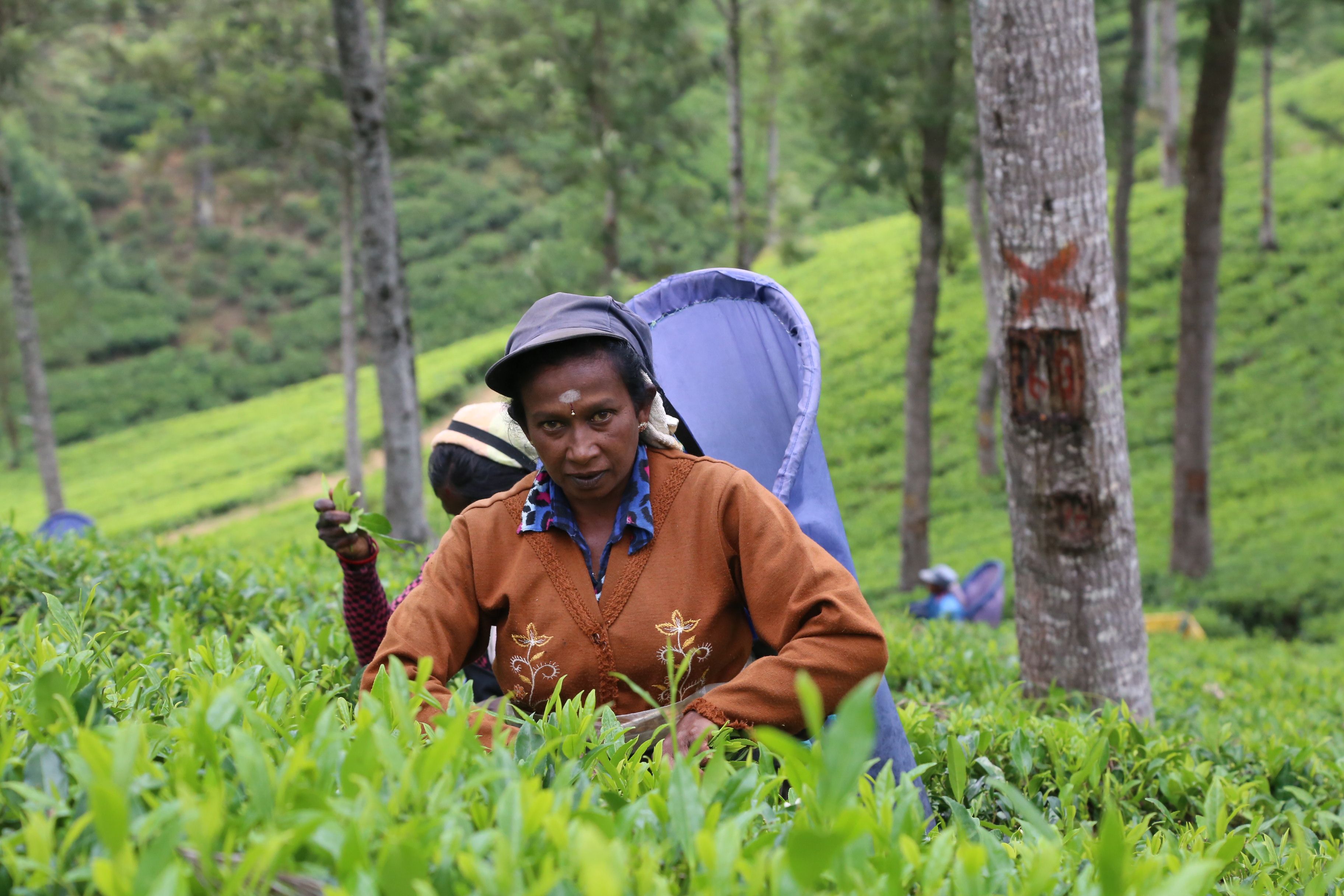
Ceylon tea is tea produced in Sri Lanka, the island nation formerly known as Ceylon. Today, the name Ceylon Tea continues to be closely associated with Sri Lanka's long tea-growing tradition and the wide range of teas produced across the country.
Although Ceylon tea is often associated with black tea, the term refers primarily to the tea's origin, rather than to one specific flavor or style. Sri Lanka produces different types and grades of tea, each influenced by where and how the tea is grown and processed.
Where Does Ceylon Tea Come From?
Ceylon tea comes from Sri Lanka, an island in the Indian Ocean with a long history of commercial tea cultivation.
Tea was introduced to Sri Lanka during the nineteenth century and gradually developed into one of the country's most recognized agricultural industries. The Sri Lanka Tea Board traces the development of the modern Ceylon tea industry to the nineteenth century, while the Food and Agriculture Organization of the United Nations notes that tea was introduced to Sri Lanka in 1839.
The country later changed its name from Ceylon to Sri Lanka in 1972, but the traditional name Ceylon Tea remained in use within the tea industry.
Related teas
Is Ceylon Tea Just Black Tea?
Not necessarily. Ceylon tells you where the tea comes from, while terms such as black tea or green tea describe how the tea leaves are processed.
Many well-known Ceylon teas are black teas, but Sri Lanka also produces other tea styles.
A package labeled Ceylon Black Tea generally provides two pieces of information: Ceylon means the tea originates from Sri Lanka, and Black Tea means the leaves have been processed as black tea.
Understanding this distinction makes it easier to compare teas from different origins.
Related teas
What Are the Different Types of Ceylon Tea?
The main Ceylon tea styles are black, green, and white tea. These names describe how the leaves are handled after harvest, while Ceylon identifies Sri Lanka as the place of origin.
Black tea is the style most people mean when they say Ceylon tea. Within black tea, Sri Lanka produces orthodox, orthodox-rotorvane, and CTC (cut, tear, curl) teas. Those production methods affect leaf size, speed of infusion, and cup character; they are not a simple quality ranking.
You may also see Ceylon tea described by region or elevation, such as low-grown, mid-grown, and high-grown. Those terms point to where the tea was grown and can help explain differences in aroma, body, and color.
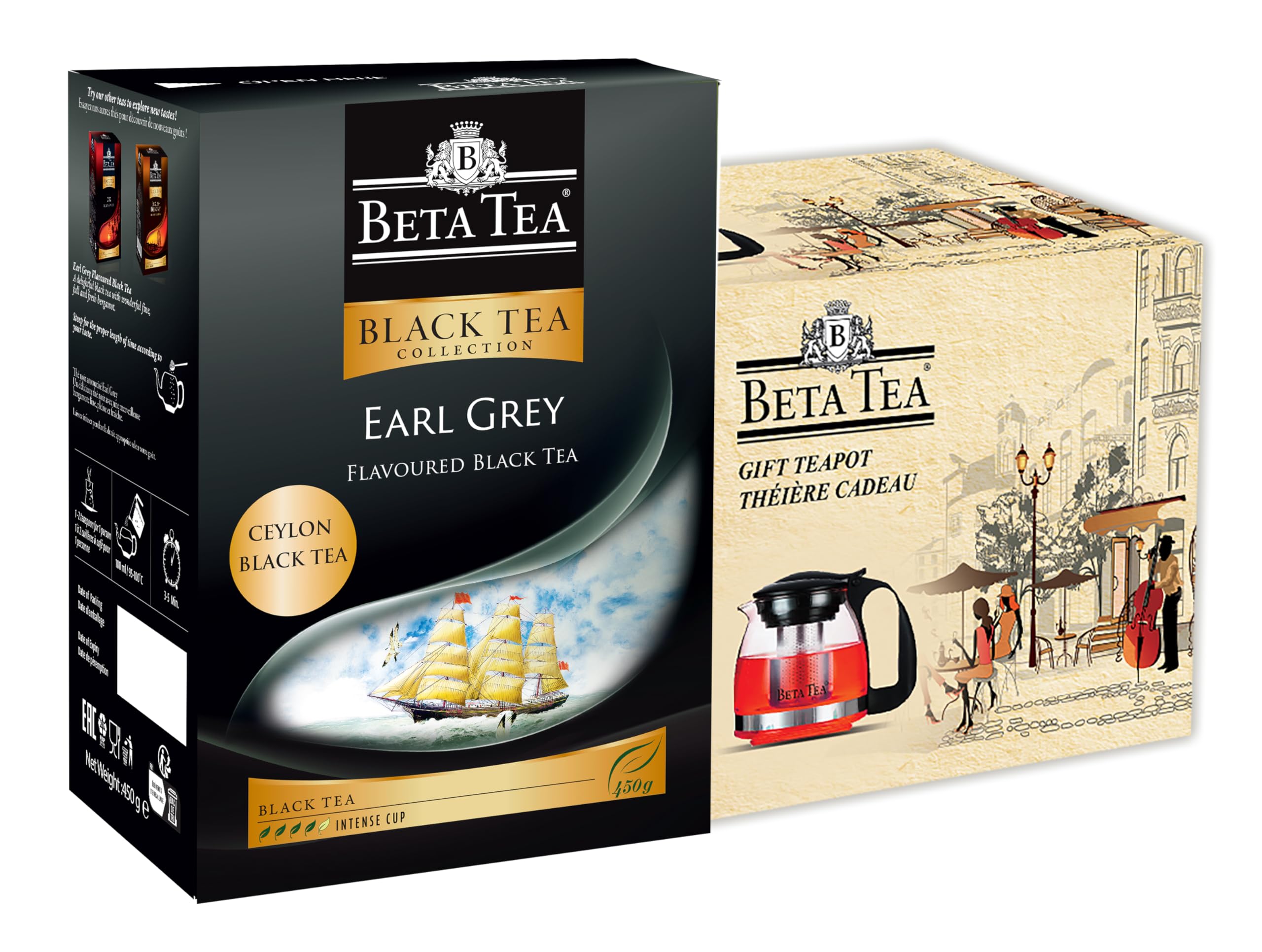
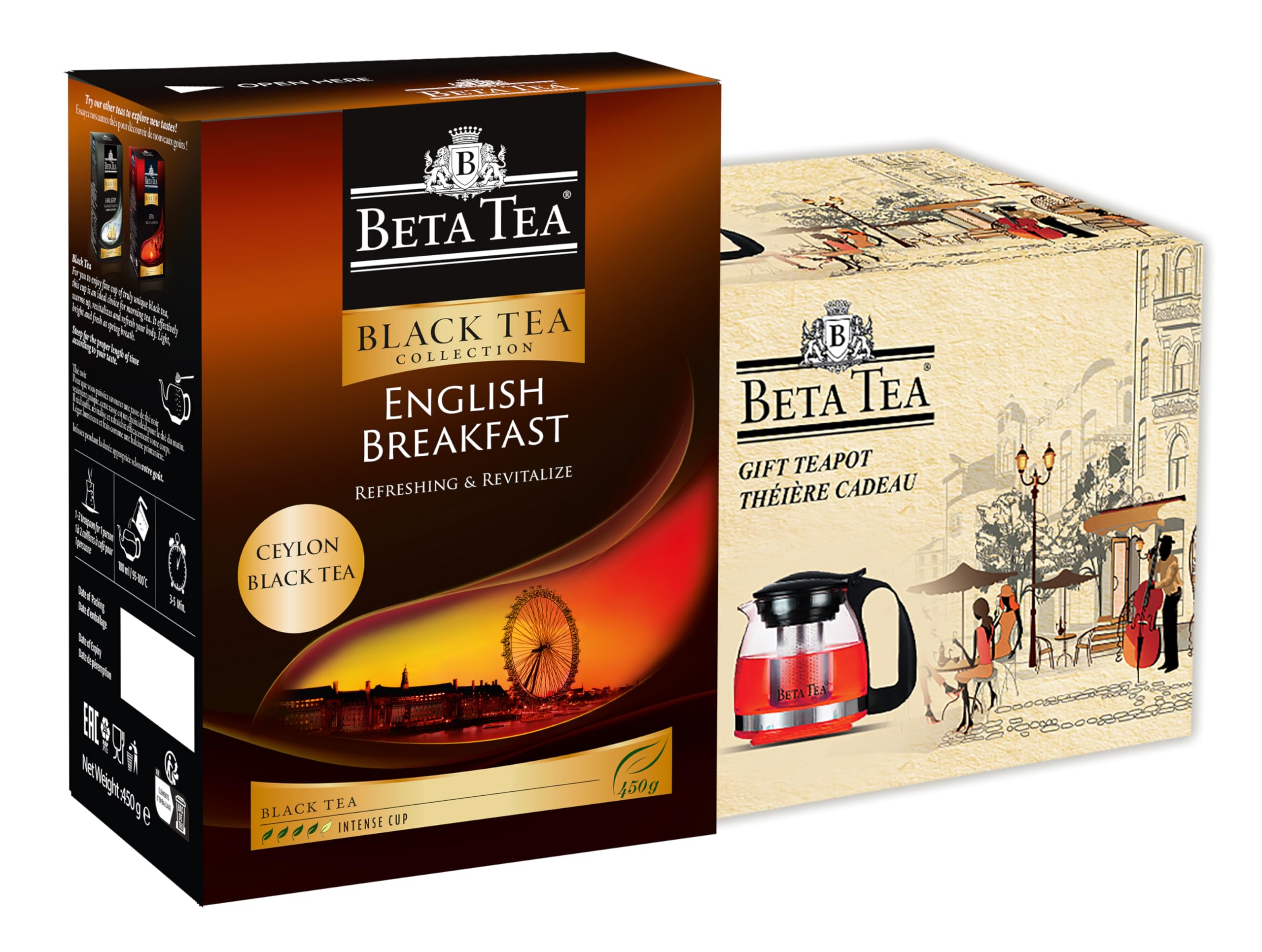
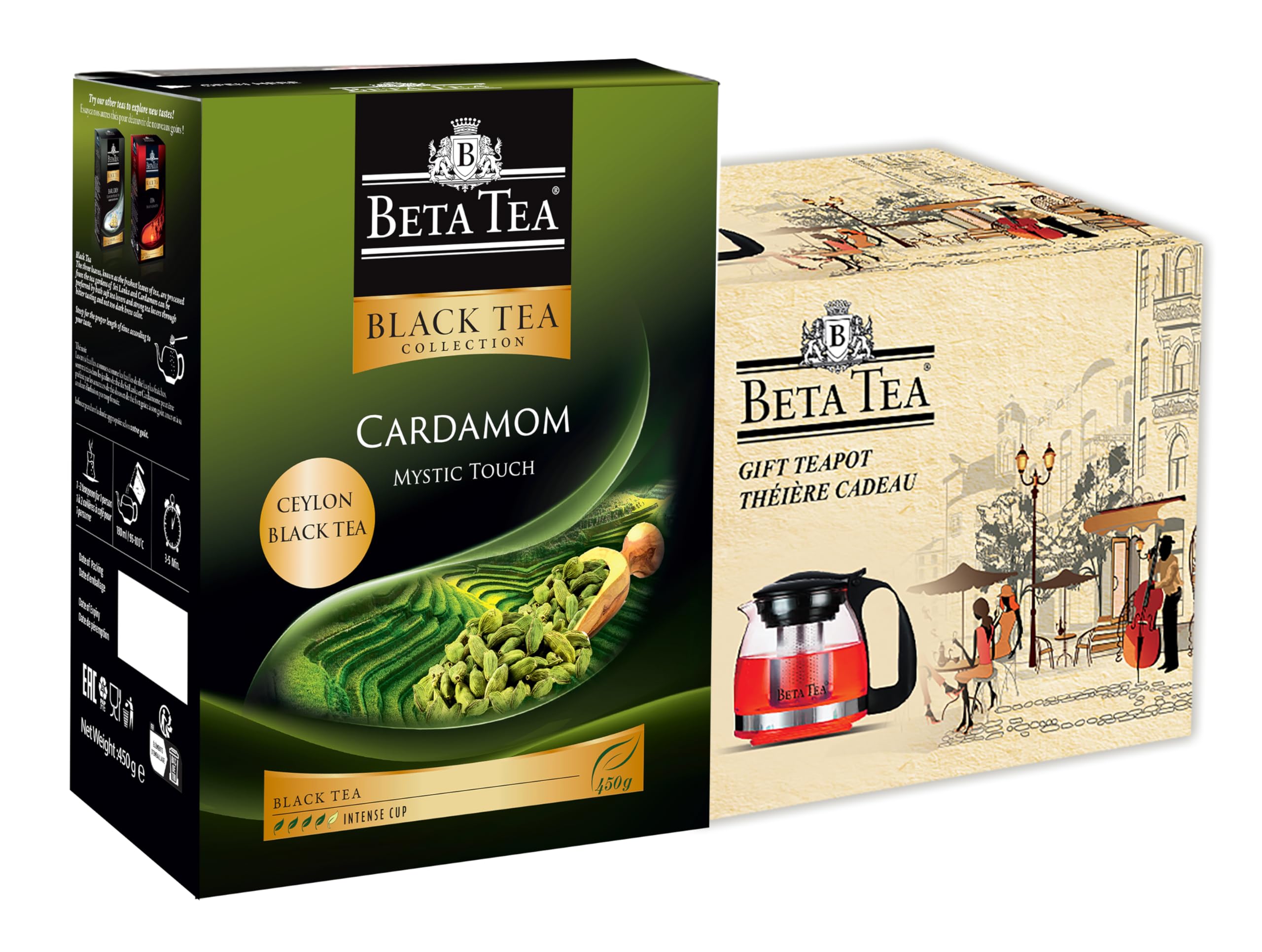
Earl Grey, English Breakfast-style tea, and cardamom tea are examples of black tea blends or flavored teas that may use a Ceylon tea base. Check the individual package to understand the tea and any added flavorings.
Why Is Ceylon Tea So Special?
Ceylon tea is special because it combines one origin with a wide range of growing conditions and tea styles. Sri Lanka has seven defined tea-growing districts, and their differences in elevation, rainfall, terrain, and seasonal weather help create noticeably different cups.
There is no single flavor that describes every Ceylon tea. Some can be lighter and more aromatic, while others are deeper, stronger, and more full-bodied. A tea's region, elevation, season, leaf grade, and processing method all matter.
The name also carries a long tea-making history. Sri Lanka was formerly known as Ceylon, and the tea industry kept the established Ceylon Tea name after the country became Sri Lanka in 1972.
Related teas
How Is Ceylon Tea Made?
Ceylon tea begins with leaves harvested in Sri Lanka. The exact process depends on whether the desired result is black, green, or white tea.
For traditional Ceylon black tea, the Sri Lanka Tea Board describes a sequence of weighing, withering, rolling, aeration (also called oxidation), drying or firing, grading, and packing. Withering reduces moisture; rolling ruptures leaf cells; aeration develops color and flavor; and firing stops further chemical change.
Some black tea for tea bags is made with the CTC method, which cuts, tears, and curls the leaf into small pieces that infuse quickly. Leaf grade describes particle size and how a tea brews, not quality by itself.
Related guides
How to Choose a Ceylon Tea
Start with the details that are actually on the package: origin, tea style, leaf grade or format, ingredients, and brewing directions. Ceylon identifies Sri Lankan origin; it does not by itself tell you whether the tea is plain, flavored, loose leaf, or bagged.
If flavor is your priority, compare a plain Ceylon black tea with a flavored black tea and brew each according to its own directions. If caffeine matters to you, read the package and use the dedicated caffeine guide for general context; do not infer an exact amount from origin or cup color.
Ceylon Tea and Caffeine
Ceylon identifies origin, not a specific caffeine level. The amount in a brewed tea varies, so this overview does not assign one number to every Ceylon cup.
For the FDA's general black-tea reference, the reasons caffeine varies, and guidance on reading product information, see our dedicated Ceylon tea caffeine guide. For individual dietary or medical questions, consult a qualified health professional.
Ceylon Tea vs. Other Tea Origins
Just as Ceylon identifies tea from Sri Lanka, other tea-producing regions are associated with their own growing environments and traditions.
For example, Assam refers to an important tea-growing region in India.
Comparing Ceylon and Assam teas is therefore partly a comparison of origin. Individual teas can still differ considerably depending on cultivar, elevation, harvest, processing, and blending.
This is why exploring tea by origin can be useful: it gives tea drinkers another way to understand what is in their cup beyond simply choosing between black tea and green tea.
Related guides
Related teas
Explore Ceylon Tea by Style
Ceylon tea is not one single flavor.
It represents a broad tea tradition connected to Sri Lanka, with different styles ranging from straightforward black teas to aromatic and flavored blends.
If you are beginning to explore Ceylon tea, consider comparing several styles side by side. A pure Ceylon black tea can provide a useful starting point, while teas such as Earl Grey, English Breakfast, or cardamom black tea can show how Ceylon tea can be used in different preparations and blends.
At Beta Tea USA, our Tea Culture guides are designed to make exploring tea simple, one origin, style, and brewing method at a time.
Sources
- Sri Lanka Tea Board — History of Ceylon Tea
- Food and Agriculture Organization of the United Nations — Tea: A Love That Has Stood the Test of Time
- Sri Lanka Tea Board — Why Ceylon Tea
- Sri Lanka Tea Board — Tea Tasting Division
- Sri Lanka Tea Board — Tea Growing Regions
- Sri Lanka Tea Board — Manufacturing
- U.S. Food and Drug Administration — Spilling the Beans: How Much Caffeine Is Too Much?